
-
Lemony Ginger Mint Green tea loose leaf - 100 Gms
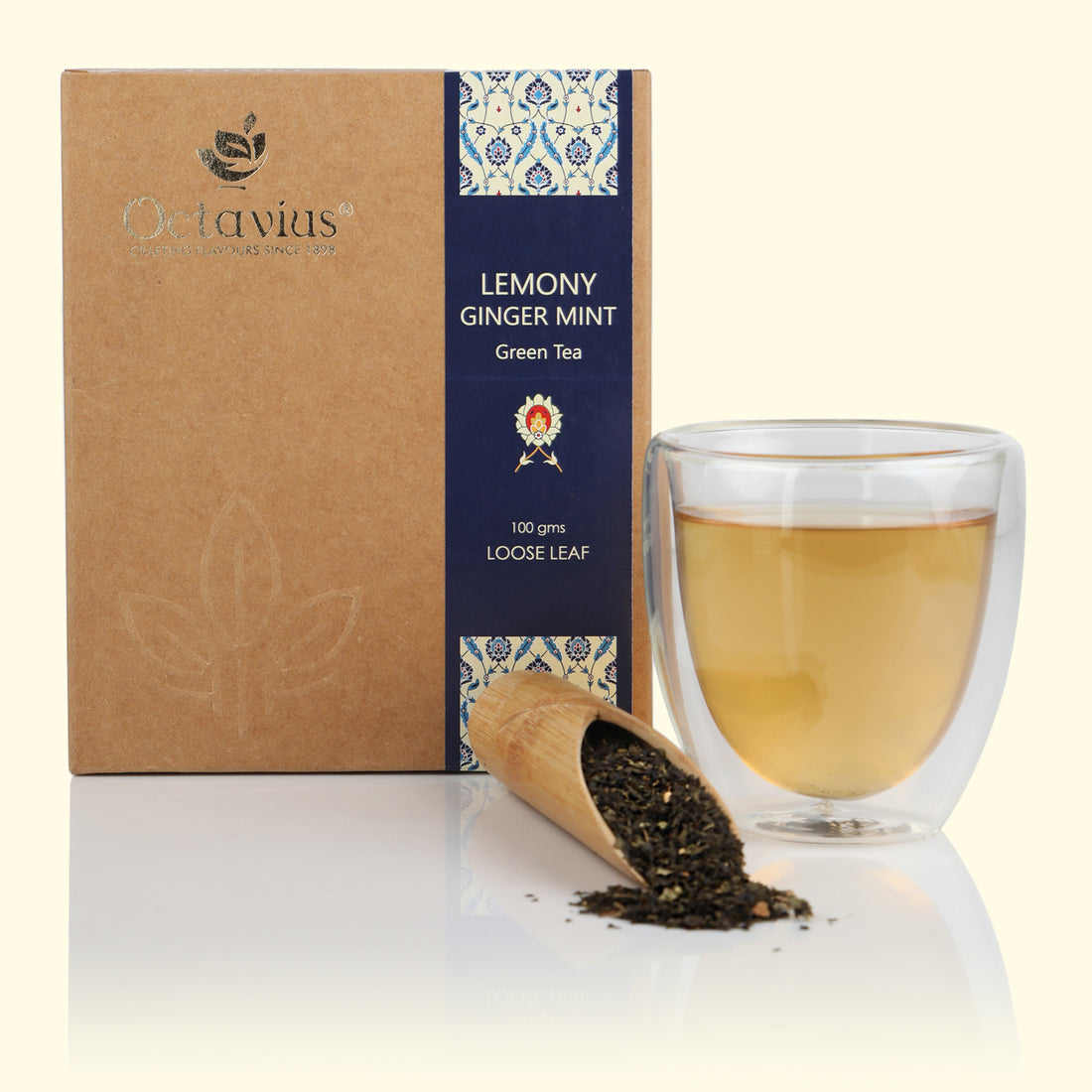
 Vendor:Lemony Ginger Mint Green tea loose leaf - 100 Gms100 Gms
- Regular price
-
₹250.00 - Regular price
-
₹399.00 - Sale price
-
₹250.00
Quick view
-
Jasmine Green Tea Loose Leaf in Kraft box - 100 Gms
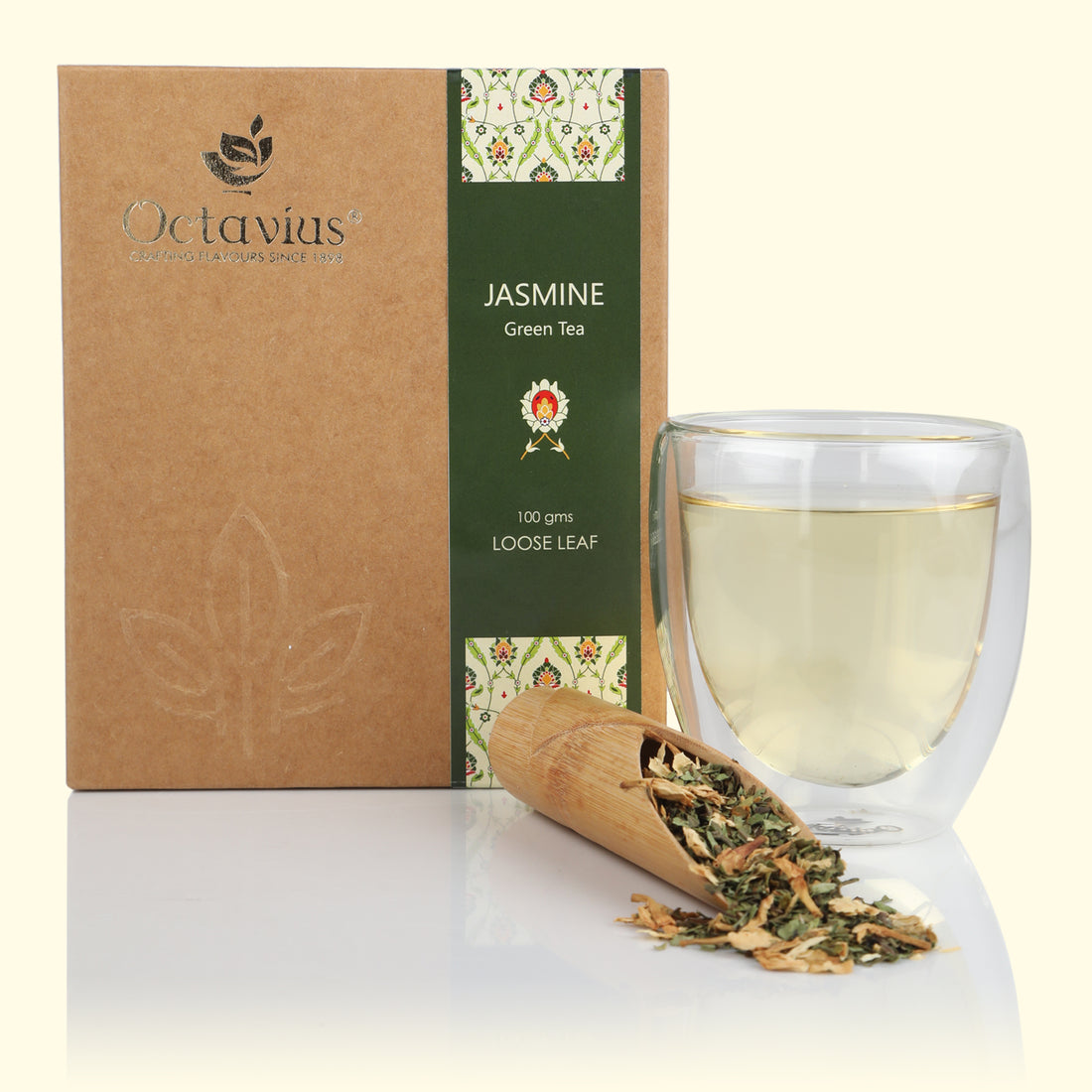
 Vendor:Jasmine Green Tea Loose Leaf in Kraft box - 100 Gms100 Gms
- Regular price
-
₹260.00 - Regular price
-
₹300.00 - Sale price
-
₹260.00
Quick view
-
Mint Green Tea Loose Leaf in Kraft Box - 100 Gms
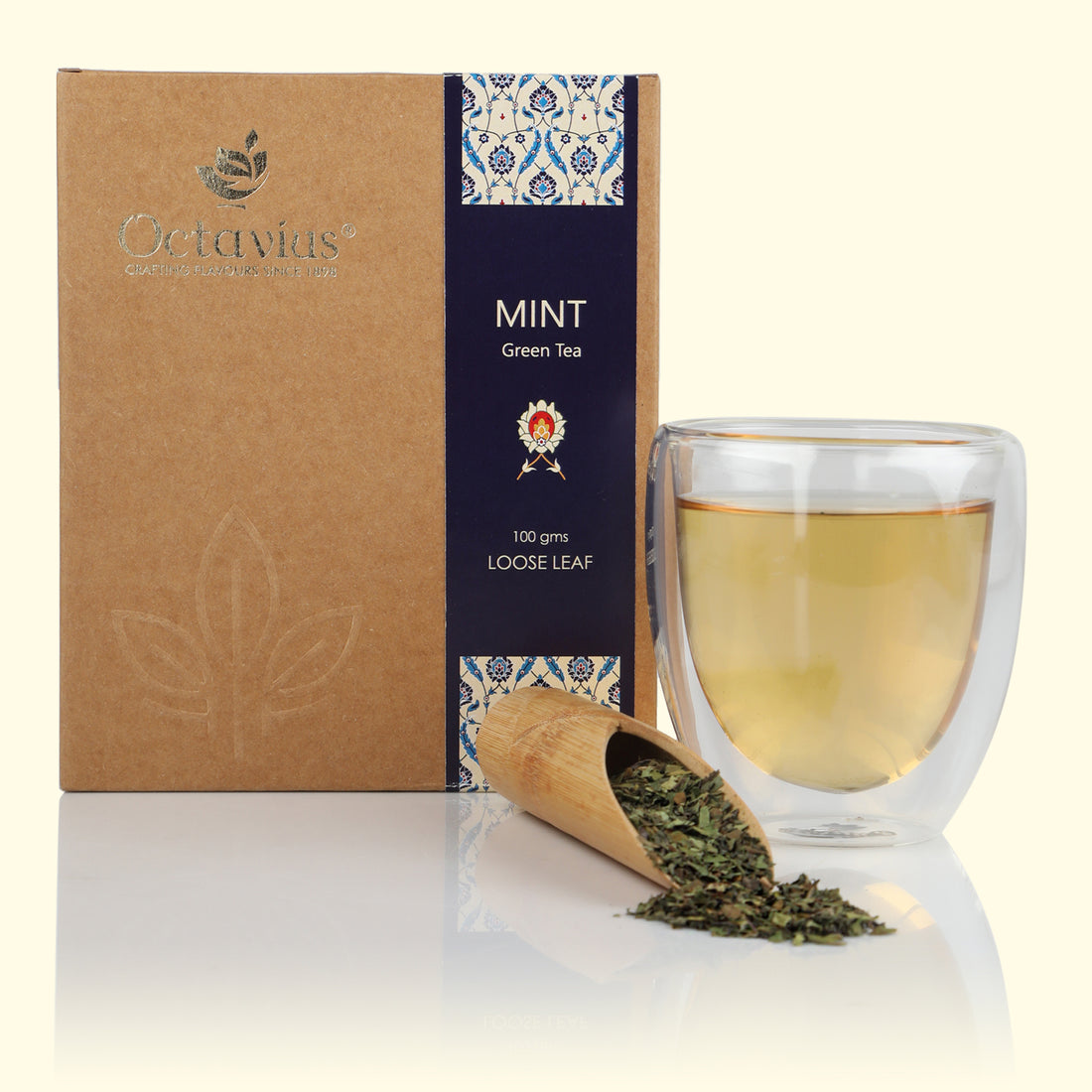
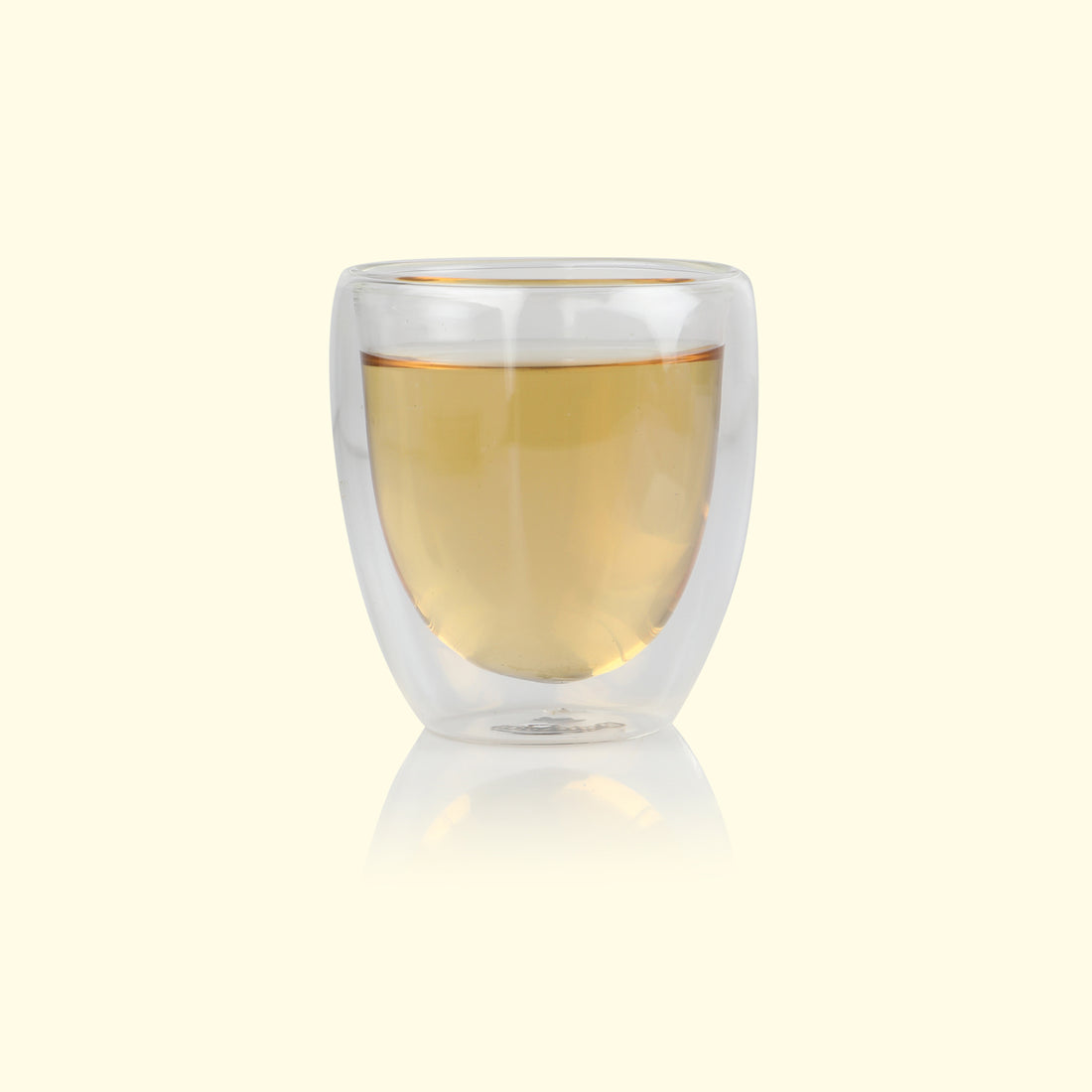 Vendor:Mint Green Tea Loose Leaf in Kraft Box - 100 Gms100 Gms
- Regular price
-
₹189.00 - Regular price
-
₹249.00 - Sale price
-
₹189.00
Quick view
-
Lavender Green Tea - Loose Leaf in Kraft Box - 100 Gms
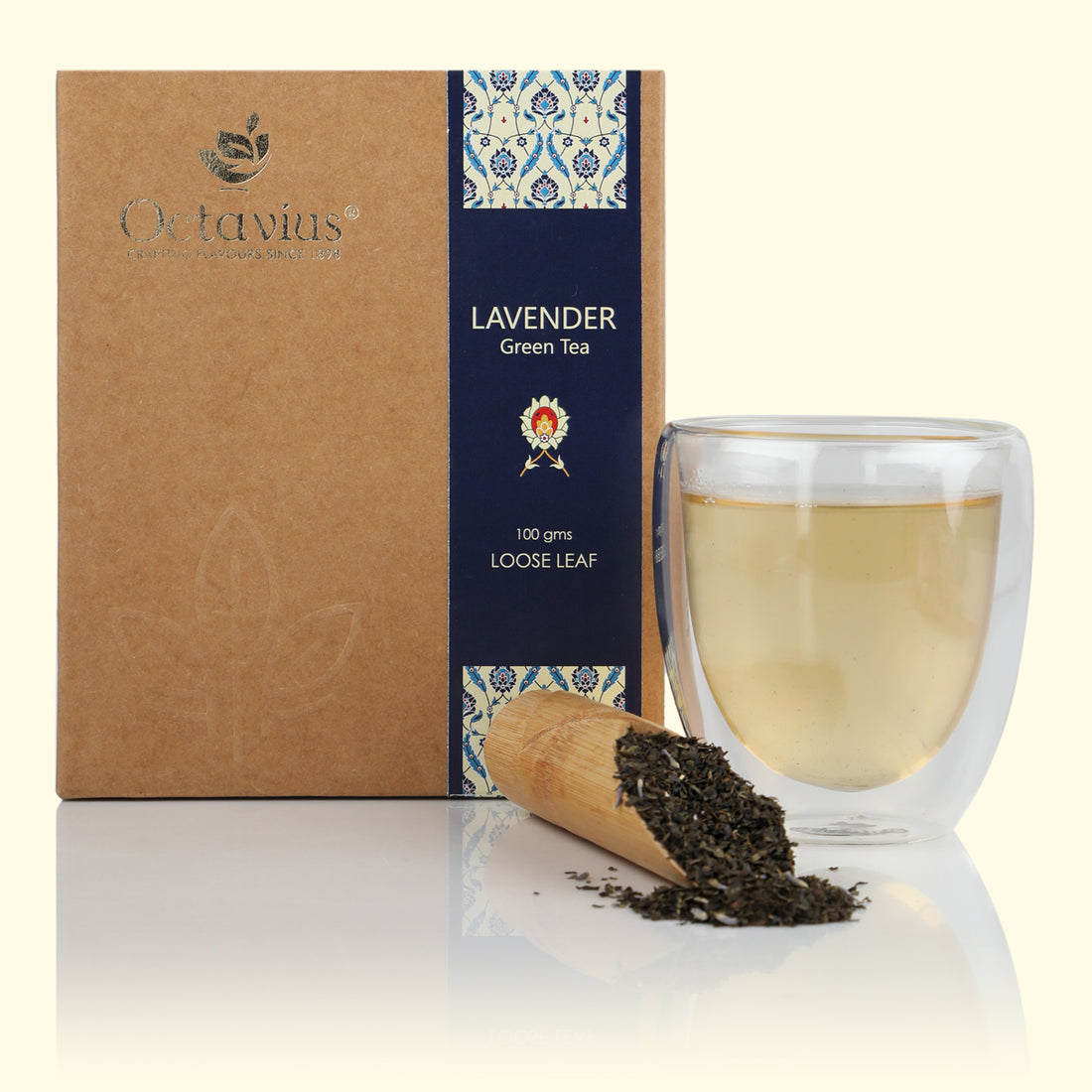
 Vendor:Lavender Green Tea - Loose Leaf in Kraft Box - 100 Gms100 Gms
- Regular price
-
₹237.00 - Regular price
-
₹300.00 - Sale price
-
₹237.00
Quick view
-
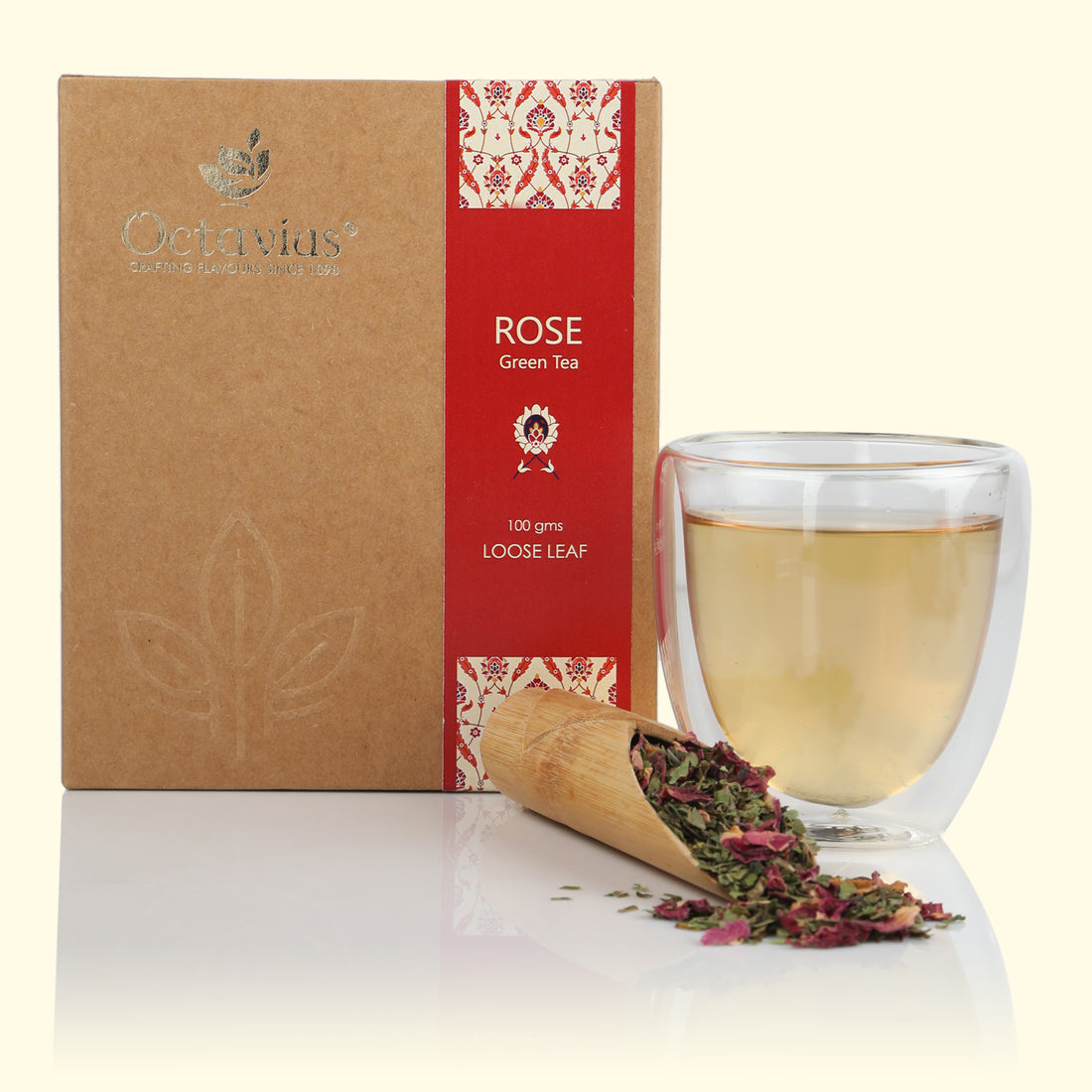
Rose Green Tea Loose Leaf in Kraft Box - 100 Gms
 Vendor:Rose Green Tea Loose Leaf in Kraft Box - 100 Gms100 Gms
- Regular price
-
₹250.00 - Regular price
-
₹299.00 - Sale price
-
₹250.00
Quick view
-
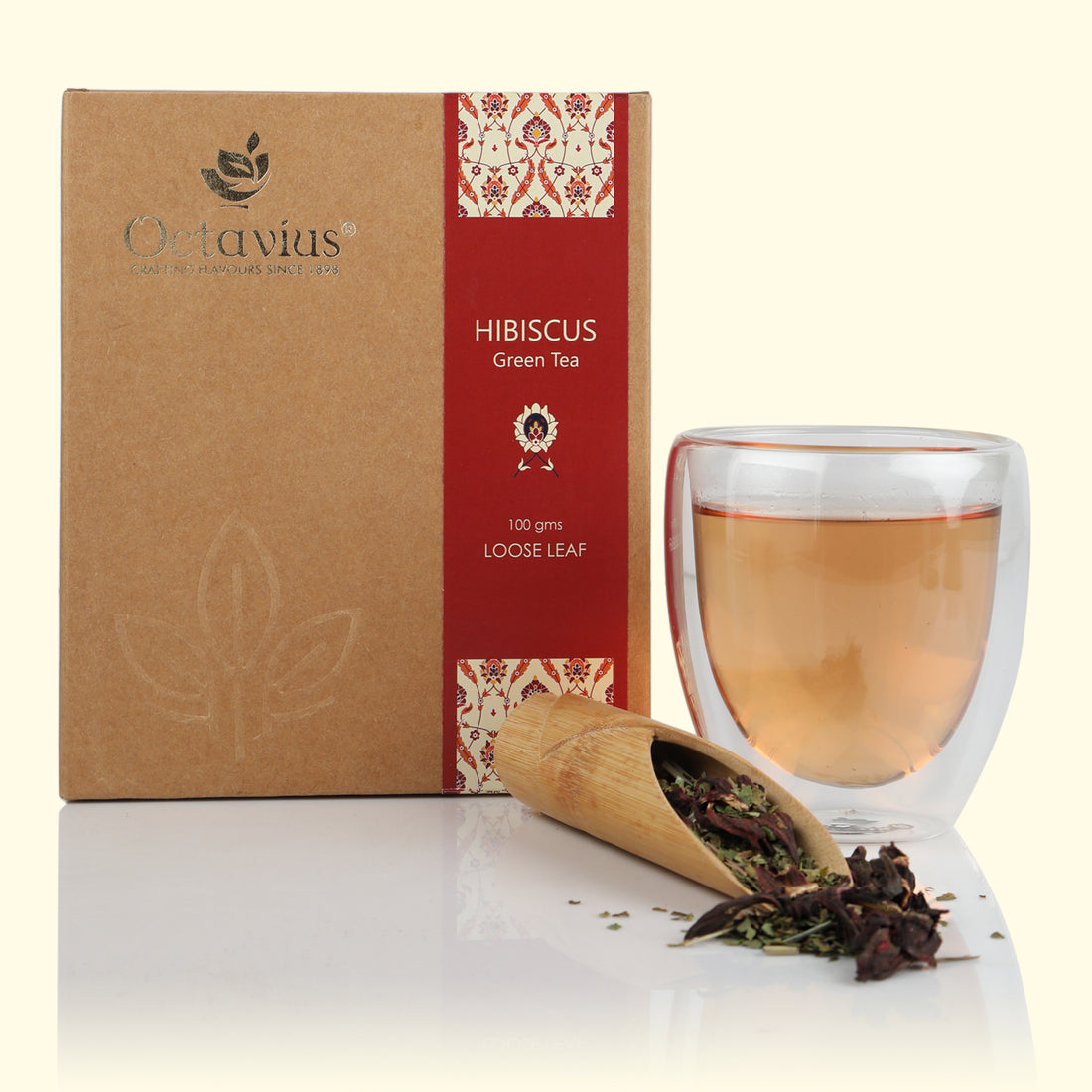
Hibiscus, Clove, Lemon Grass Green Tea - 100 Gms
 Vendor:Hibiscus, Clove, Lemon Grass Green Tea - 100 Gms100 Gms
- Regular price
-
₹215.00 - Regular price
-
₹275.00 - Sale price
-
₹215.00
Quick view
-
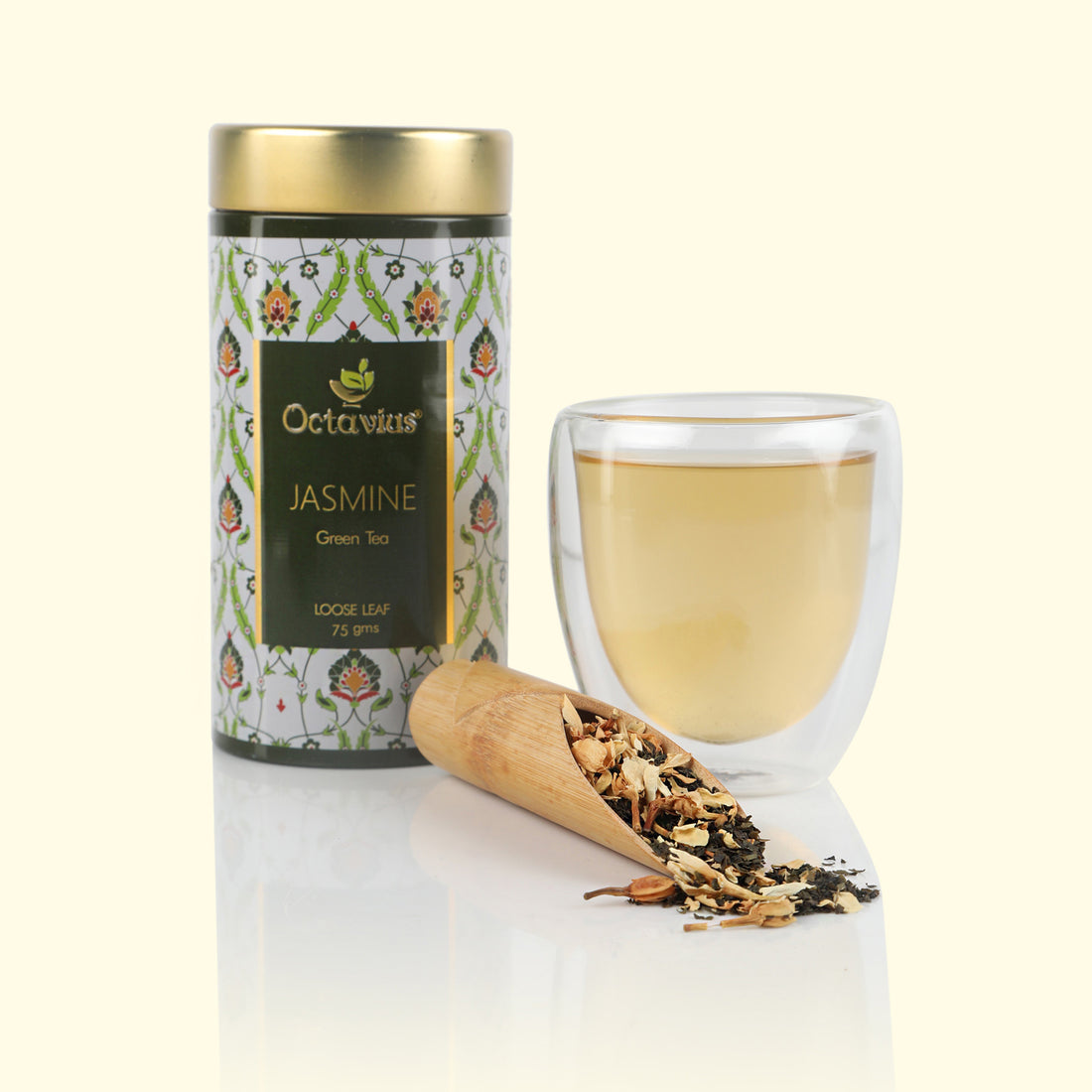
Jasmine Green Tea Loose Leaf - 75 Gms Tin Can
 Vendor:Jasmine Green Tea Loose Leaf - 75 Gms Tin Can75 Gms
- Regular price
-
₹300.00 - Regular price
-
₹300.00 - Sale price
-
₹300.00
Quick view
Sip Your Way to Healthier Skin and Hair
It’s the truth we all face daily, pollution, stress, poor sleep and chaotic schedules are quietly stealing the natural glow from our skin and the strength from our hair. We try expensive creams, serums and treatments, but somehow, the results are never permanent. Why? True beauty begins on the inside, as true beauty is not only external. What if you have the answer to beautiful skin and healthy hair in your kitchen cabinet?
The Problem is Bigger Than You Think
We are today suffering from our own lifestyle. In addition to these, oxidative stress due to sun exposure and hard water and constant stress from city life weakens hair follicles and tears down collagen. We shouldn't try to cover up the damage with chemicals, but feed our bodies with natural ingredients that are loaded with antioxidants.
Your Skin’s New Best Friends
This is where herbal teas step in as timeless remedies, backed by both ancient Ayurvedic wisdom and modern science.
Tea for glowing skin: Hibiscus tea is a superstar in the field of vitamin C and a great herbal tea to boost collagen – this tea helps keep skin youthful and supple.
Anti-aging herbal tea: Green tea is rich in EGCG which helps ward off the harmful effects of the sun and helps combat inflammation, which impacts the aging process on the cellular level.
Detox tea for clear skin: Blue pea flower tea contains anthocyanins, which are critical to skin brightening tea and to stimulate collagen production, to get that clear and dewy skin.
Your Hair’s Secret to Strength
Hair fall and thinning are the most common concerns today, but nature offers a simple solution.
Herbal tea for hair growth: Hibiscus tea strengthens hair roots, reduces hair fall, and even helps prevent premature graying. It's also a natural conditioner that will give your mane shine and softness.
Blue pea flower tea for hair: This floral tea brings circulation to the scalp and ensures that the nutrients nourish the hair follicles from the inside to make them strong.
Green tea for hair thinning: A cup of green tea a day can block DHT (the hormone responsible for hair loss) and soothe an irritated, itchy scalp.
Natural remedy for dandruff: Chamomile and green tea have anti-inflammatory properties that will help to calm the scalp, thus eliminating its itching and making it an ideal remedy for dandruff. For a deep cleanse, sipping a blend of bamboo leaf tea and tulsi helps strengthen hair, skin and nails due to its high silica content.
The Octavius Choice
We believe that skincare doesn't have to be complicated. Whether you are looking for an antioxidant-rich tea for skin health to fight free radicals, or a tea for skin brightening, finding the right ingredients is key. Specific botanicals are featured in our range of Teas for Skin and Hairs, chosen to tackle concerns brought on by lifestyle.
Ditch the pricey bottle and go for more simple, everyday habits. Enjoy a cup of hibiscus in the morning for a natural glow, and a blue pea tea at night to relax your body. It’s not just about a drink, it is about creating a healthier version of yourself.
Ready to make the switch? Discover our selection of Best teas for skin and hair today and discover a beauty that is more natural and balanced, taking care of the body.
FAQs
1. How long does it take to see results for my skin and hair?
2. Can I drink these teas every day?
3. Which tea is best for hair fall?
4. Is hibiscus tea good for glowing skin?
5. Can I apply these teas directly to my hair or skin?
6. Does blue pea tea really brighten skin?
7. Are these teas safe for everyone?
8. How do I use green tea for dandruff?
9. Which tea is best for scalp inflammation and dandruff?
10. What is the best time to drink these teas?